
Home-based learning offers families the flexibility to tailor education to their child’s unique needs, interests, and learning style. Whether a family follows a structured plan or a more flexible approach, there are a wide variety of curriculum options available to support strong academic growth at home—especially in core subjects like language arts, math, science, social studies, and health.

Language Arts Options
Language arts in a home-based setting often includes reading, writing, spelling, grammar, and sometimes handwriting. Families can choose from structured, open-and-go programs or more literature-based approaches.
- Structured/phonics-based programs focus on building strong foundational skills in reading and spelling. These are especially helpful for early learners or students who benefit from step-by-step instruction.
- Literature-based programs use high-quality books to teach comprehension, vocabulary, and writing. These often encourage discussion, critical thinking, and written responses.
- Writing-focused curricula help older students develop paragraph and essay writing skills, including grammar, structure, and editing.
- Many families also incorporate journaling, creative writing, or reading aloud to strengthen skills in a more natural, engaging way.
Math Curriculum Options
Math instruction at home can be highly individualized, allowing students to move at their own pace and build confidence in problem-solving.
- Mastery-based programs focus on learning one concept thoroughly before moving on to the next. These are ideal for students who benefit from repetition and deep understanding.
- Spiral programs review concepts regularly while introducing new material, helping reinforce learning over time.
- Conceptual programs emphasize understanding the “why” behind math, often using visual models and hands-on tools.
- Traditional programs offer straightforward instruction with practice problems and assessments.
- Families often supplement math with games, real-life applications (like budgeting or cooking), and online tools for extra practice.
Science Curriculum Options
Science in a home-based environment can be one of the most flexible and engaging subjects, often combining reading, observation, and hands-on experimentation.
- Textbook-based programs provide structured lessons with readings, questions, and tests, similar to a traditional classroom.
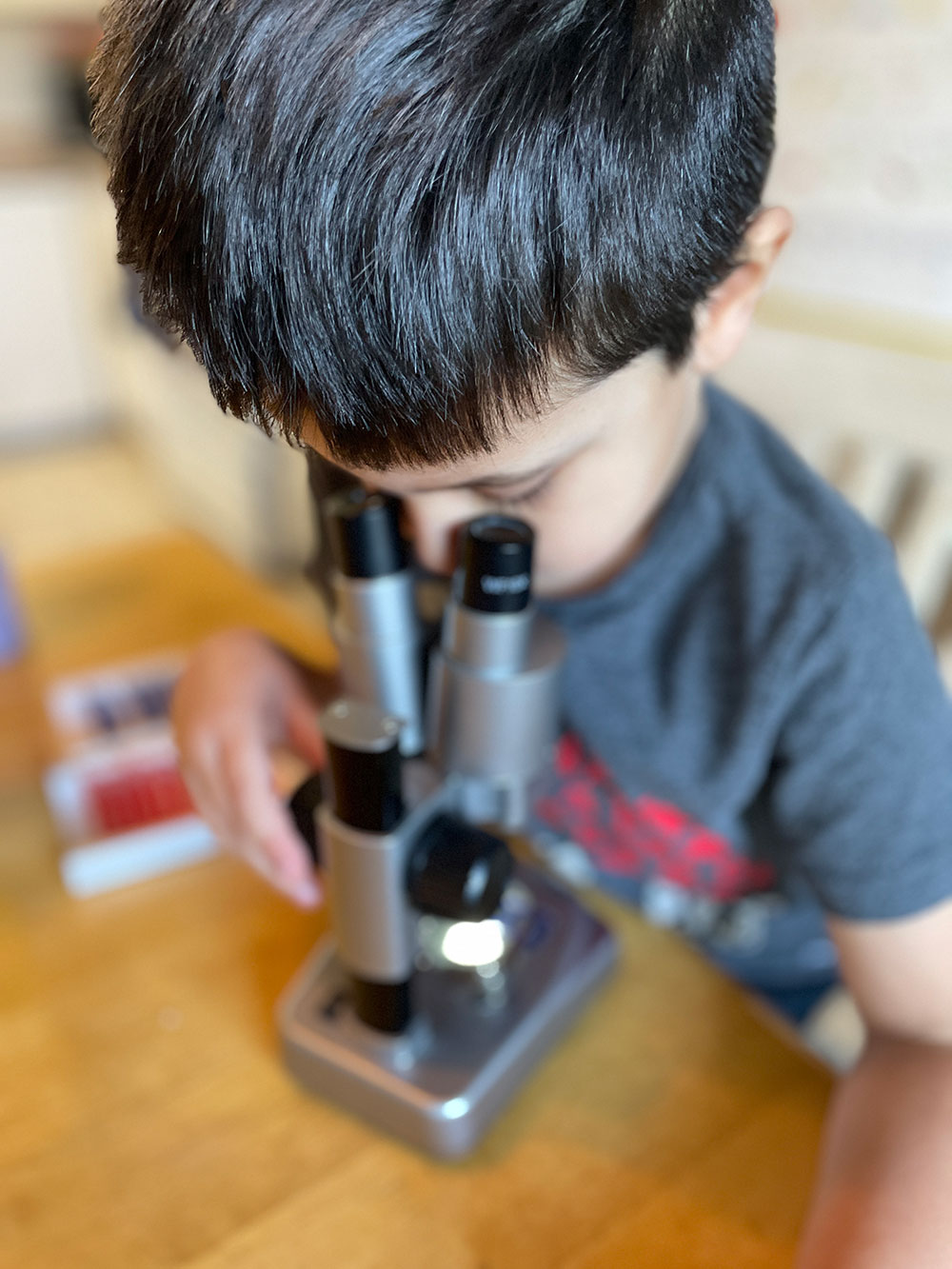
- Hands-on/experiment-based curricula focus on inquiry and discovery through labs and activities. These are especially engaging for younger students or those who learn best by doing.
- Unit studies allow families to dive deeply into a specific topic (such as ecosystems, space, or the human body), integrating reading, writing, and projects across subjects.
- Interest-led science encourages students to explore topics they are curious about—like growing plants, building simple machines, or observing weather patterns—while practicing scientific thinking and recording observations.
Social Studies Options
Social studies helps students understand the world around them, including history, geography, civics, and culture. Home-based learning allows families to approach these topics in meaningful and engaging ways.
- Chronological history programs guide students through history in a structured timeline, often integrating literature and primary sources.
- Thematic or unit-based studies focus on specific topics such as ancient civilizations, U.S. history, or world cultures.
- Geography-focused programs build map skills and global awareness through hands-on activities and exploration.
- Civics and government curricula help students understand how communities and governments function, often connecting learning to real-world events.
- Families may also enhance social studies through field trips, documentaries, historical fiction, and discussions about current events.
Health Options
Health education in a home-based setting can be both practical and personalized, helping students build lifelong habits for physical and emotional well-being.
- Structured health curricula cover topics such as nutrition, personal hygiene, human development, and safety.
- Physical education integration can include organized sports, fitness routines, outdoor play, or activity-based programs that promote movement and coordination.
- Wellness-focused learning may include lessons on mental health, mindfulness, and emotional regulation.
- Life skills-based approaches teach students about goal setting, decision-making, and healthy lifestyle choices through real-life application.
- Many families incorporate health learning into daily routines, such as meal planning, cooking, exercise, and discussions about overall well-being.
Bringing It All Together
One of the greatest strengths of home-based learning is the ability to mix and match these approaches. A student might use a structured phonics program for reading, a conceptual math curriculum, a hands-on science approach, and a literature-rich social studies program—all in the same week. Parents can adjust pacing, revisit concepts as needed, and incorporate real-life experiences into daily learning.
With the right combination of curriculum and support, home-based education creates a personalized learning environment where students can thrive academically while developing independence, curiosity, and a lifelong love of learning.